Skip to main contentSkip to menuSkip to footer

Continuous mixing for pasta & noodle production

Pasta and noodle production requires precise hydration, controlled gluten development, and consistent dough structuring. Continuous mixing enables stable processing conditions and uniform product quality at industrial scale.

Pasta & noodle mixing: definition & application

Definition 

Pasta and noodle products are typically based on wheat flour or durum semolina, combined with water and optional ingredients such as eggs, salt, or functional additives. They are primarily starch-based and processed through extrusion, sheeting, lamination, cooking, or drying.

Pasta and noodle doughs are prepared at low to moderate hydration levels, resulting in a crumbly to plastic consistency rather than a fully elastic dough. Their structure and mixing behaviour depend on formulation and process conditions, requiring controlled water distribution and mechanical input.

Application in industrial mixing

In industrial pasta and noodle production, mixing plays a critical role in creating the required dough consistency for forming and thermal processing. This involves preparing a cohesive, low-moisture dough with uniform water distribution and stable structure.

Given the sensitivity of pasta and noodle doughs, mixing must ensure consistent hydration, controlled energy input, and reproducible dough quality to support efficient processing and uniform end-product characteristics.

Characteristics of grain-based doughs in industrial mixing

Hydration and water absorption

Pasta and noodle doughs typically operate at low hydration levels (around 28–34%). Semolina and durum wheat flour absorb water relatively slowly, requiring controlled hydration to prevent dry pockets and ensure dough stability. Continuous mixing supports gradual water incorporation, resulting in improved consistency and uniform dough structure.

Gluten and starch structure

In pasta and wheat-based noodles, protein alignment and starch interactions create a cohesive structure that maintains integrity during processing and cooking. Mixing must provide sufficient mechanical energy to develop this structure, without overworking the dough. In rice- or corn-based products, mixing focuses on uniform starch dispersion and the incorporation of binders or functional ingredients to achieve the required structure.

Consistency and rheology

Pasta and noodle doughs require stable rheological properties to ensure consistent forming and processing behaviour. Continuous mixing provides a constant and controlled output of homogenous material, which significantly reduces startup waste and improves downstream process stability.

Temperature control

Pasta and noodle doughs are generally not highly temperature-sensitive, but frictional heat during mixing can lead to partial starch gelatinization or protein denaturation if not controlled. Maintaining stable process temperatures (typically below 35 °C) helps ensure consistent dough quality and stable processing performance.

Inclusion and additive handling

In pasta and noodle products, additional ingredients such as fibers, colorants, or functional additives must be evenly distributed without segregation. Continuous mixing enables consistent incorporation, even at low inclusion levels, supporting uniform product quality and appearance.

Mixing challenges & our solutions

Common challenges

  • Uneven water distribution in low-moisture pasta and noodle doughs
  • Inconsistent rheology affecting forming stability and product quality
  • Ingredient segregation in flavored or enriched pasta and noodle products
  • Overheating during high-speed mixing, impacting dough structure

Sobatech mixing advantages

  • Uniform hydration and controlled water incorporation
  • Stable dough consistency 
  • Inline process temperature control to prevent thermal degradation
  • Precise incorporation of functional ingredients
  • Reduced product loss during startup and changeovers
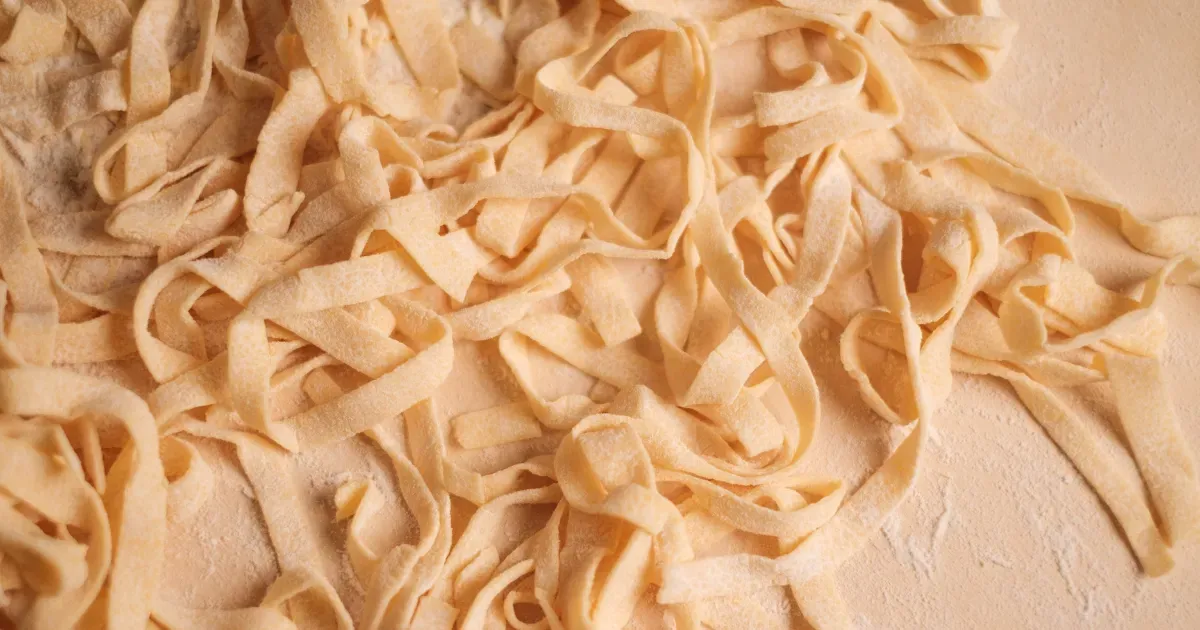
Pasta

Pasta

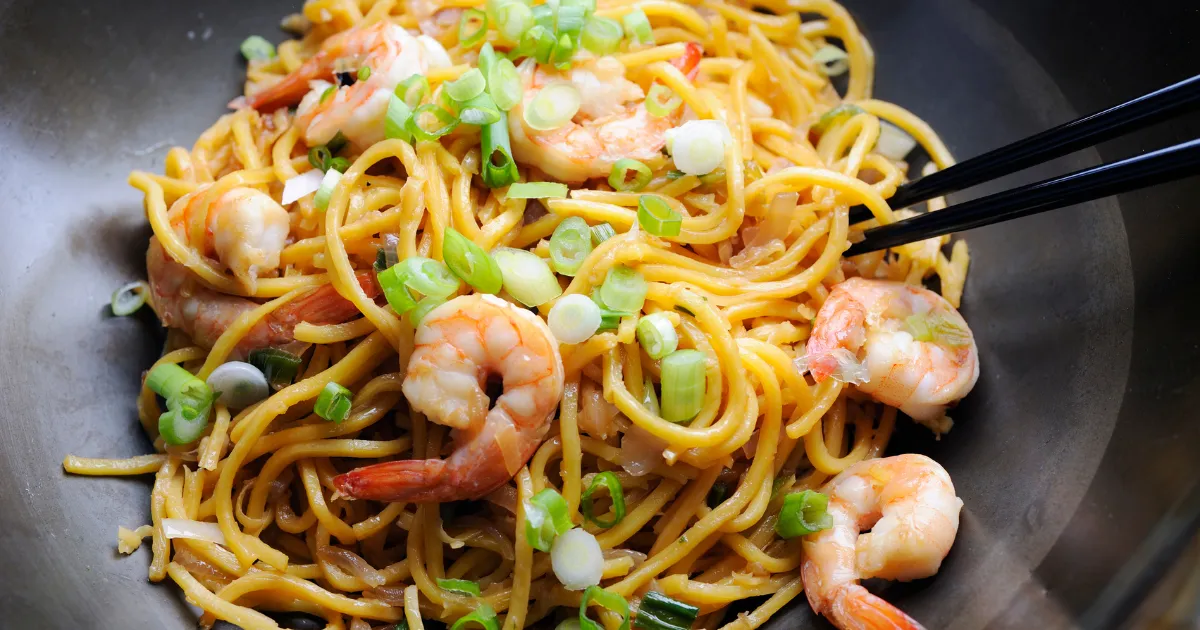
Noodles

Noodles

Cereals

Cereals

Do you have any questions? Contact us!

Our experts are ready to help you optimize your production process. 
Reach out today to discover how our continuous mixing systems can enhance your production process.