Skip to main contentSkip to menuSkip to footer

Continuous mixing for plant-based meat

Production of plant-based meat requires precise control over hydration, ingredient distribution, and functional structuring. From TVP hydration to emulsion formation, mixing plays a critical role in defining final product quality. Continuous mixing ensures consistent product quality by enabling controlled hydration, stable emulsion formation, and uniform distribution of proteins, fats, and functional ingredients.

Mixing plant-based meat: definition & application

Definition 

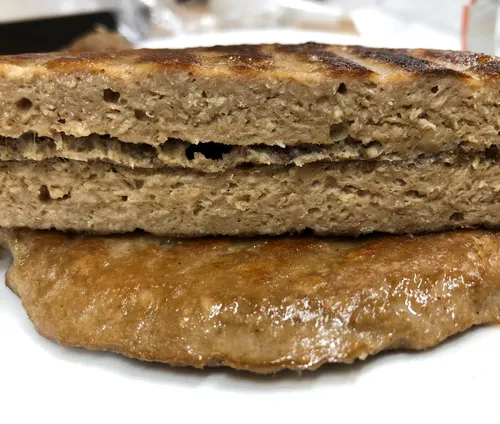
Plant-based meat formulations are designed to replicate the texture, taste, and functionality of conventional meat. These products are typically based on proteins such as soy, pea, or wheat, combined with fats, water, and functional binders. They rely on plant-based ingredients and structured formulations to achieve a cohesive, meat-like product.

Application in industrial mixing

In plant-based meat production, mixing is a critical step in preparing protein-based formulations. It enables hydration of proteins and TVP, proper distribution of fats and binders, and stable fat-water emulsions. Mixing systems must deliver consistent results despite raw material variation, handle complex rheology, ensure effective powder dispersion, and prevent issues such as lump formation or emulsion instability.

Characteristics of plant-based meat formulations in industrial mixing

Ingredient functionality

Plant-based formulations rely on proteins such as soy, pea, or wheat, combined with fats and functional binders. These ingredients are sensitive to processing conditions and must be carefully controlled. Their functionality depends on proper distribution and interaction to achieve binding, water retention, and a cohesive structure.

Hydration behavior

Plant-based meat formulations show complex hydration behavior. TVP requires controlled water uptake to maintain its structure, while protein powders absorb water quickly and may form lumps if not properly dispersed. Uneven hydration can lead to inconsistencies in texture and overall product quality.

Energy input and mixing time

In plant-based meat formulations, mixing focuses on achieving proper dispersion, hydration, and matrix formation. Excessive mechanical input can break down protein structure and affect texture, while insufficient mixing leads to poor binding and inhomogeneity. Controlled energy input and mixing time are therefore essential to maintain product integrity.

Temperature control

Plant-based protein formulations are sensitive to temperature. Functional ingredients such as methylcellulose show thermal gelation behavior, while proteins can lose functionality at elevated temperatures. Excessive mixing energy may lead to premature gelling or phase separation. Mixing systems must therefore maintain product-specific temperature ranges.

Texture formation

Texture in plant-based meat systems is built through controlled binding, fat distribution, and thermal behavior. Mixing contributes by creating a uniform matrix of proteins, fats, and binders that supports structure, juiciness, and bite. Overmixing can damage structure, while undermixing may result in a crumbly or dry product.

Mixing challenges & our solutions

Common challenges

  • Clumping or poor dispersion of protein powders and binders
  • Inconsistent hydration of proteins and TVP leading to texture variation
  • Premature gelling of temperature-sensitive ingredients
  • Poor structure formation due to over- or undermixing
  • Sticky or pasty masses that are difficult to handle downstream

Sobatech mixing advantages

Downloads

Each alternative application has its own unique processing requirements. At Sobatech, we understand that a one-size-fits-all approach does not work in industrial mixing. That is why our continuous mixing systems are tailored to the specific needs of each product type. Explore our brochures to learn how Sobatech's continuous mixing systems are tailored to specific alternative applications.

Plant-based meat information sheet
Download
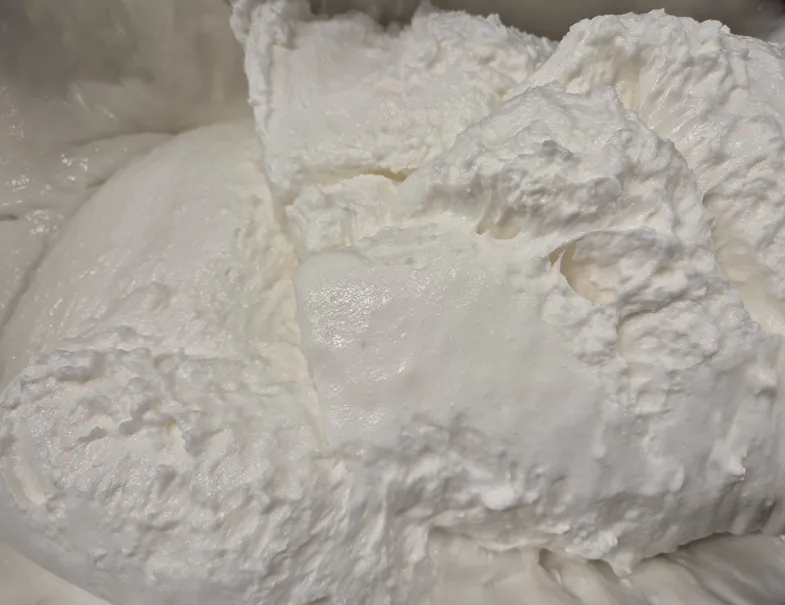
(Methycellulose) emulsion

(Methycellulose) emulsion

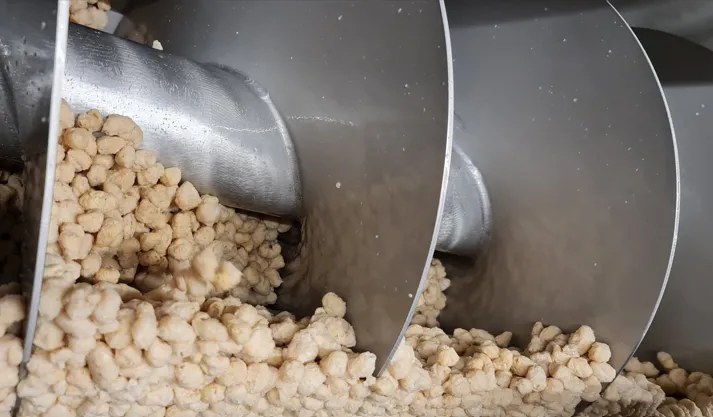
TVP (texturized vegetable protein)

TVP (texturized vegetable protein)

Do you have any questions? Contact us!

Our experts are ready to help you optimize your production process. 
Reach out today to discover how our continuous mixing systems can enhance your production process.