Skip to main contentSkip to menuSkip to footer

Texturized Vegetable Protein (TVP): from raw material to finished product

Texturized Vegetable Protein (TVP) plays a central role in the development of plant-based and hybrid products. However, the final product quality is not only determined by the raw material, but especially by how it is processed. From extrusion to hydration and mixing, every step influences structure, texture, and consistency.
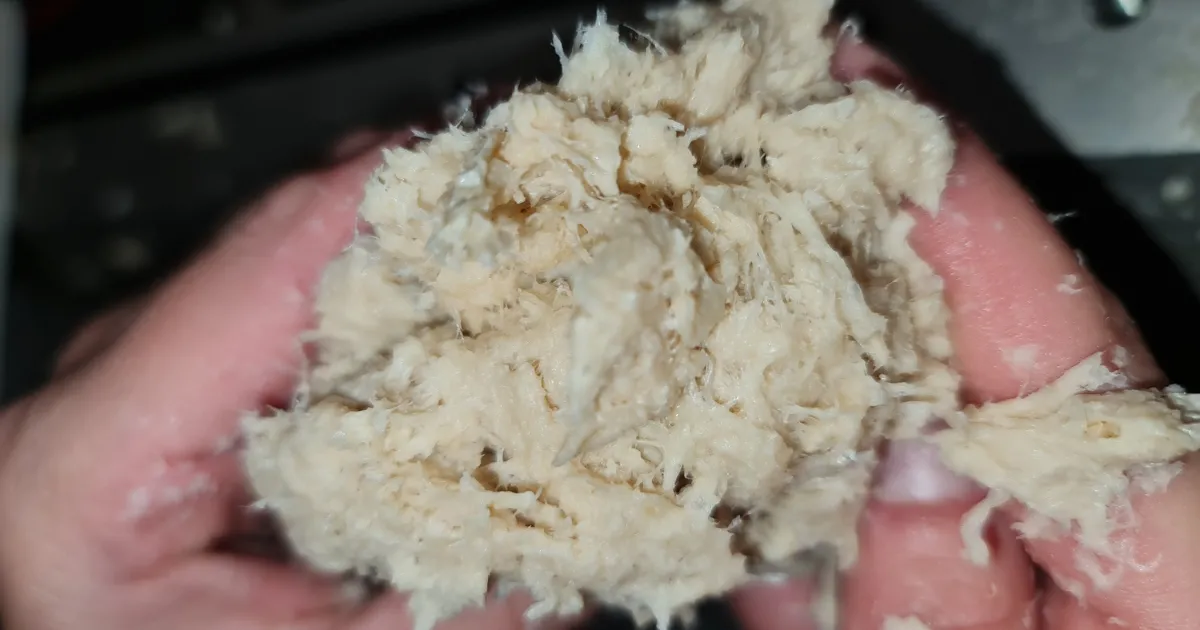
Close-up of hydrated texturized vegetable protein (TVP) with preserved fibrous structure after processing

What is TVP?

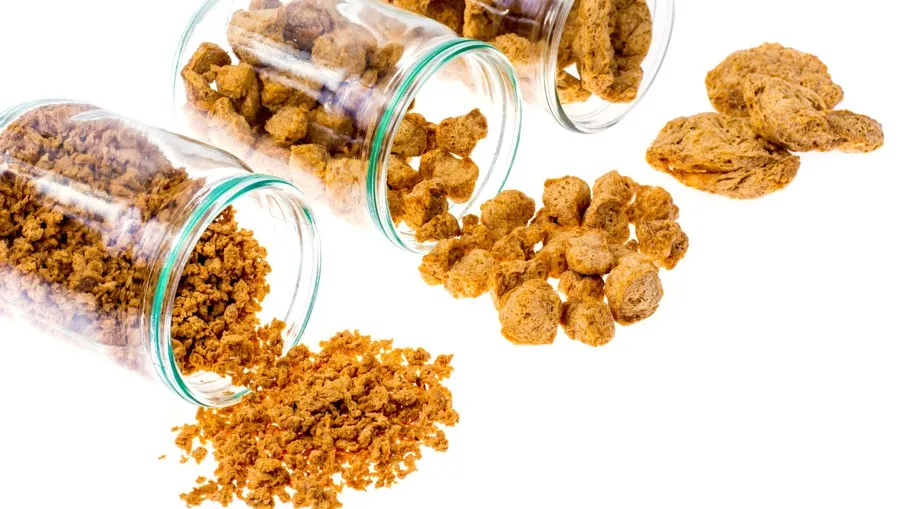
TVP is a plant-based protein product obtained by extruding plant-derived raw materials, such as soy or beans, under controlled conditions of temperature and pressure. This process creates a fibrous structure that closely resembles the texture of meat, making TVP a widely used base for plant-based meat.

Thanks to its versatility in shape, structure, and water absorption capacity, TVP is a key ingredient in the development of sustainable and innovative food solutions.

TVP is broadly applied in the food industry, including in:

  • plant-based meat (such as burgers, minced products, and nuggets)
  • hybrid meat products
  • ready meals
  • snacks and convenience foods
  • protein-enriched products

Sobatech's expertise in TVP processing

Dosing and process setup

Sobatech has extensive experience in both the production and processing of TVP. Its subsidiary, DST, specializes in the production of TVP through high-pressure extrusion technology called ‘Sheartex’. Within this process, Sobatech focuses on several critical steps, starting with the precise dosing of dry TVP in various sizes, shapes, and textures.

Controlled hydration

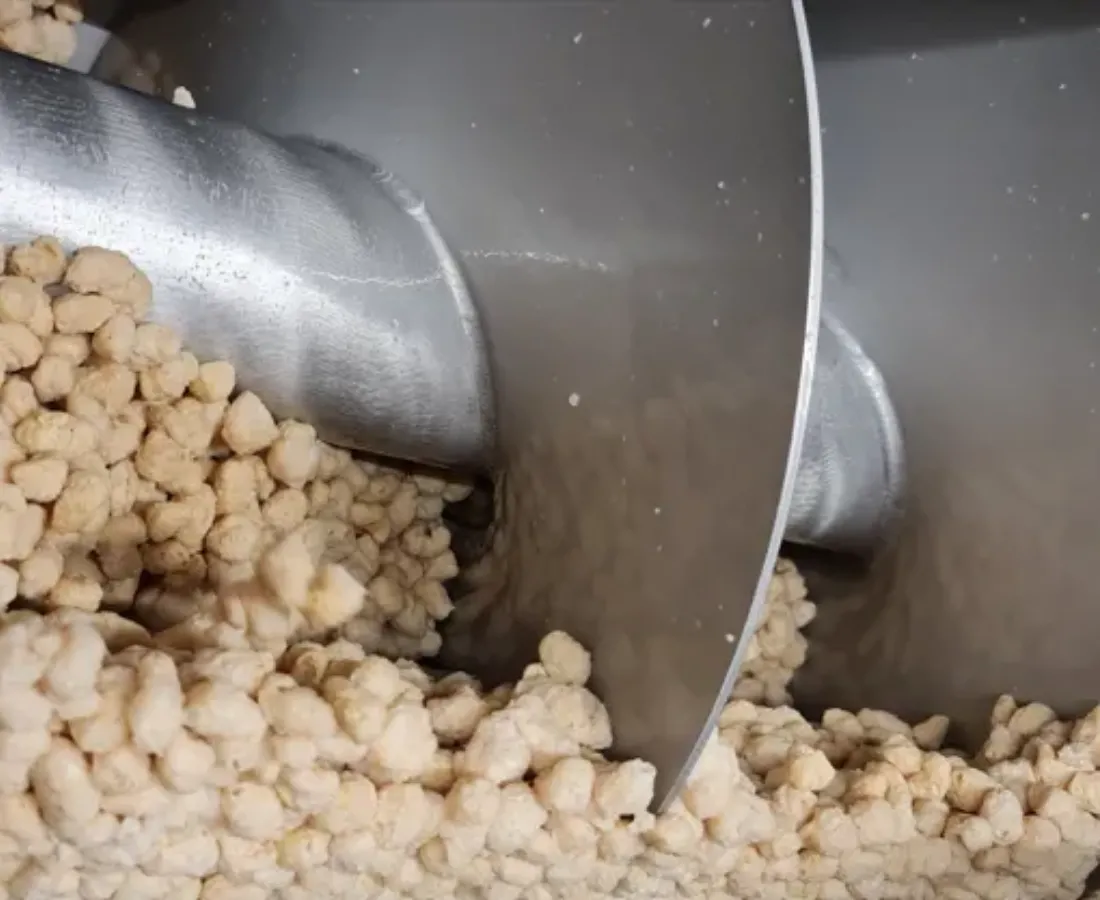
Sobatech’s hydration system is designed with a strong focus on product integrity. During transport, the TVP is handled in a gentle manner to minimize breakage. At the same time, a fine mist of water is introduced, ensuring even and controlled hydration according to the desired recipe and ratios.

Process control and final quality

Key process parameters such as temperature and moisture content are fully controllable. In addition, the transport speed determines the residence time and, consequently, the degree of hydration. Depending on the type of TVP and the desired end-product quality, the hydrator is available in both single-shaft and twin-shaft configurations. The result of this process is an optimally hydrated product, with 100% water absorption, no free water, and full preservation of the original TVP structure.

From hydration to final product

After the hydration process, the TVP is continuously dosed into the next processing stage. Here, it is continuously mixed with a Sobatech-developed (MC) emulsion and additional dry ingredients to create a homogeneous final product. This continuous mixing process takes place under cooled conditions, ensuring consistent final temperature and optimal product texture.

The entire process is designed as a fully continuous operation — from dosing and hydration to continuous mixing. This results in a stable, reproducible process that delivers high-quality plant-based meat products with consistent performance.

Colored dough showing liquid diffusion for visual homogeneity test
Showing liquid diffusion with colored dough for visual homogeneity test

Do you have any questions? Contact us!

Our experts are ready to help you optimize your production process. 
Reach out today to discover how our continuous mixing systems can enhance your production process.